

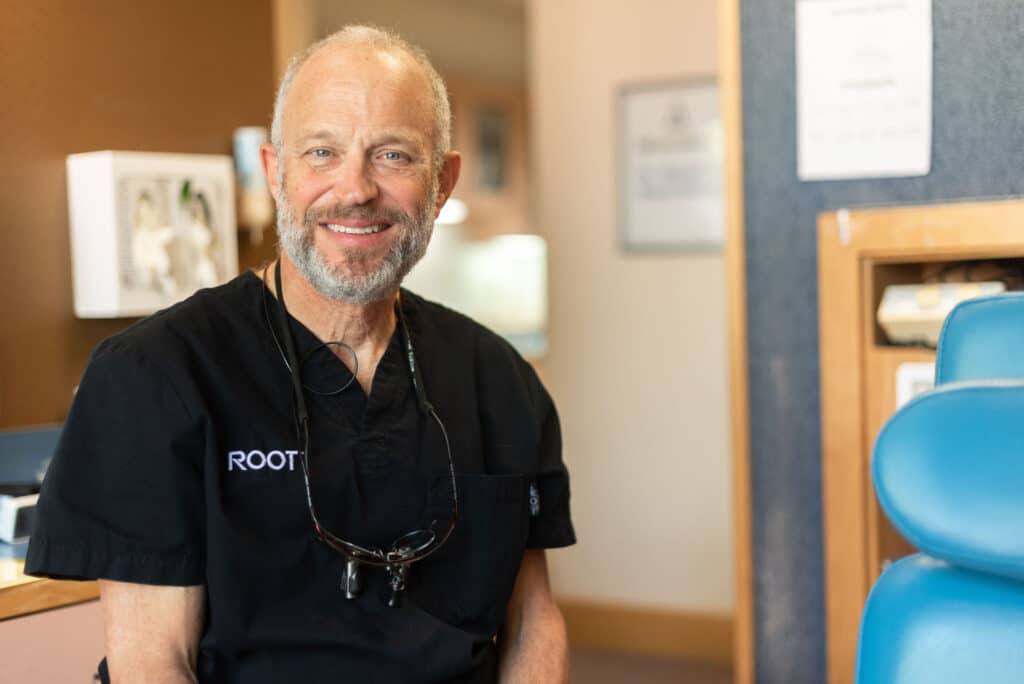

Dr. Patel
Periodontist
The training that Dr. Patel has received has given him a wide range of experience in treating advanced periodontal disease, complicated extractions of teeth, placement of dental implants, bone regenerative procedures, as well as in periodontal plastic surgery/cosmetic procedures.
Dr. Pooria Fallah
Periodontist
Dr. Fallah received his DDS degree in 2009 and subsequently completed his residency program in Periodontics at New York University College of Dentistry in 2015. He became a Diplomate of the American Board of Periodontics in 2016 and has been practicing periodontics in private practice in Dallas since 2015.
Dr. Husain
Periodontist
Dr. Husain is proficient in dental surgical procedures involving bone and soft tissue grafting, dental implant placement, minimally invasive LANAP and other laser procedures, and treating chronic periodontal diseases.
Dr. Li
Periodontist
Dr. Li is a Board-Certified periodontist and a Diplomate of the American Board of Periodontology. A Diplomate is a periodontist who has made significant achievements beyond the mandatory educational requirements of the specialty, demonstrating a comprehensive mastery of all phases of periodontal disease and treatment and in the placement of dental implants.
Common Signs of Oral Cancer
One of the most common signs that oral cancer is present is noticeable changes in the mucosa, which should appear pink and be smooth. If this change is present, your periodontist will take a biopsy of the area that is affected area, which will then be sent to a laboratory to determine the cause of the change. Once a diagnosis has been reached, your periodontist will discuss treatment options. Fortunately, the majority of pathological
changes that occur are not life-threatening; however, the rate of oral cancer diagnoses is increasing, especially among men. If a diagnosis is made early, survivability is approximately 80%.
Patients who are experiencing any of the following common symptoms of oral cancer should schedule an appointment for an oral cancer screening:
- Persistent mouth pain
- Masses/lumps around your neck
- Eroded areas, swelling, or patches in the mouth that are red or white
- Unexplained oral bleeding
- Neck, mouth, or facial sensitivity
- Difficulty chewing, swallowing, moving the tongue, or speaking
- Mouth sores
- Ear pain
- Chronic sore throat, hoarseness, or cough
Diagnosing Oral Pathological Disease
The only way to definitely determine an oral pathological disease is to have a biopsy, which involves surgically removing tissue from the affected area and studying this sample with a microscope. Biopsies are typically performed after administration of local anesthesia. Certain biopsies may occur endoscopically, while others will use image guidance, such as an MRI, CT, or ultrasound. The most common types of tissue that are examined are oral mucosa, sinus mucosa, lymph nodes, skin, soft tissue, and bone.
There are three primary types of biopsies that are performed to diagnose oral cancer, which include the following:
- Excisional biopsy: Excisional biopsies are typically performed if the lesion is 1cm or smaller in diameter, is surgically accessible, and seemingly benign.
- Incisional biopsy: Most commonly performed for large lesions, an incisional biopsy involves removing a small portion of tissue. Depending upon the accessibility of the region, this incision will either take place in the office or, if necessary, in an operating room.
- Exfoliative cytology: A sample of cells is scraped from the suspected area. Once collected, the sample is examined under a microscope. If abnormal cells are discovered, a deeper biopsy will be required.
Treating Oral Pathological Diseases
Fortunately, the majority of pathological changes that occur are not life-threatening; they can be disfiguring and/or uncomfortable.
There is a range of methods for treating other oral pathological diseases, including the following:
- Antibiotics: If the patient is experiencing soreness or has a bacterial infection, antibiotics may be prescribed to alleviate discomfort and soreness and return the mucosa to its original state.
- Hydrogen Peroxide (Diluted): If the soft tissue has changed due to poor or improper oral hygiene, your periodontist may prescribe a hydrogen peroxide mouthwash, which will improve halitosis and kill significantly more bacteria than traditional mouthwash.
- Oral Surgery: Patients who have non-cancerous growths or cysts may have them removed through a surgical excision. In addition to improving the aesthetic appearance, removal of these growths or cysts can also improve breathing problems, make speaking easier, and generally improve the patient’s overall comfort level.
Biopsy and Treatment Cost
There are a range of factors that can impact the final cost of your treatment, including any necessary surgeries or associated procedures that will need to be performed prior to or along with treatment, as well as your insurance plan.
Our team is committed to helping you complete necessary paperwork, schedule appointments, and answer any questions you have concerning billing. For patients who have insurance plans, we do request that you submit medical/dental insurance information with your New Patient Paperwork to expedite this process.
Please note: to reduce costs to our patients while still ensuring that we can provide the highest level of care, we have the following financial policies:
- We accept Discover, Visa, MasterCard, and American Express
- Full payment is due after services are rendered
- Payment plan options are available via www.CareCredit.com
PERIODONTAL SERVICES
To determine if you have gum disease, your periodontist will measure the space between your teeth and gums. Patients who have pockets that are deeper than the average depth of three millimeters or less will be considered candidates for treating gum disease. Depending upon how severe your case is, your periodontist will suggest a follow-up appointment, during which several different treatment options may be recommended.
Patients who are suffering from periodontal disease may experience gum recession. If this issue is not treated at an early stage, more complicated and serious problems can develop, as gum recession creates greater exposure of your natural teeth, which creates opportunities for bacteria to build. To address this issue, patients have historically had gum grafting, which involves removing tissue from unaffected areas and then grafting this tissue to the areas that have been affected. This is an effective method for addressing the issue of receding gums. There is a newer and increasingly popular approach to treating receding gums, which is the Chao Pinhole Surgical Technique (PST).
Laser gum surgery is an advanced treatment option that efficiently and painlessly treats gum disease through the use of a laser. One of the unique aspects of laser gum surgery is that the laser pinpoints and kills bacteria without damaging surrounding gum tissue. Unlike other treatment options, which involve cutting and suturing, patients who have laser gum surgery and treatment performed will have a much quicker healing process.
Patients who have gum recession may consider having a gum graft, a common oral surgical procedure that thickens existing gums and/or covers a tooth root surface in order to prevent further recession from occurring. Gum recession can occur for a variety of reasons, but the most common reason is due to periodontal disease. A gum graft will not only improve the aesthetic appearance of your smile but will also reduce your risk of developing additional issues.
Patients who have an imbalanced ratio between their visible gums and teeth have what is commonly referred to as a gummy smile. Gummy smiles can be caused by a range of factors, including bone deterioration, periodontal disease, or genetic predisposition. Regardless of the reason, patients often feel self-conscious about their appearance and will seek to improve this issue by having a gum contouring procedure performed.
Scaling and Root Planing (also known as deep teeth cleaning and deep gum cleaning) is a common method used to address periodontal disease. Scaling refers to the process of removing tartar that has accumulated, either on your teeth or below your gumline. Planing refers to the removal of tartar below the root line. When bacteria are allowed to settle on your teeth for too long, it will eventually mineralize and turn into tartar. The primary difference between plaque and tartar is that plaque can be removed by conventional brushing methods, whereas tartar will need to be removed through the efforts of your periodontist. It is important to schedule regular deep teeth cleaning and deep gum cleaning appointments to prevent periodontal disease from developing.
Schedule Your Visit Today
At ROOT™ Periodontal and Implant Center, we take your oral health seriously. That is why we provide expert services that are intended to return stability, strength, and beauty to your oral cavity. Whether it be through periodontal or implant care, we will restore both your smile and confidence.
If you would like to learn more about oral pathology and biopsy and see if these services are right for you, schedule an appointment for a consultation today. We provide services at the following locations:
Carrollton: (972) 242-7603
Flower Mound: (972) 434-8050
Denton: (940) 566-7021
Frisco: (469) 489-ROOT
We look forward to meeting you and providing you with the expert care you need!